
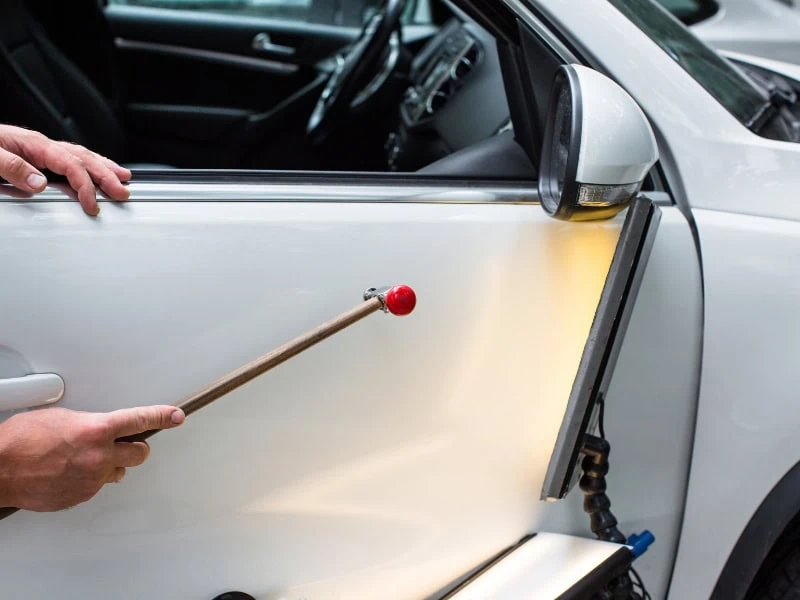
No two car dents are priced the same, and if you’ve ever tried to get one repaired, you already know the costs can vary wildly. Factors like dent size, panel location, and repair method all come into play. In many cases, what looks like a simple fix can turn into a costly job due to hidden complications. This article explores what affects the cost to remove car dents and how to make more informed choices when it comes to repairs.
Why is the cost to remove car dents often unpredictable?
Repair pricing doesn’t follow a one-size-fits-all model. That’s because no two dents are created equal. Each one tells a different story about the impact, location, and potential complications hiding under the surface.
- Vehicle make and model matter – Premium or imported cars may require specialised parts or tools for even minor dent fixes.
- Paint type can influence pricing – Pearlescent or metallic finishes cost more to colour-match and respray.
- Panel material changes repair approach – Aluminium panels often require different techniques than steel, which can increase costs.
- Access to the dent isn’t always straightforward – Tricky locations like roof rails or wheel arches might need more labour time.
Unpredictable costs are a common frustration. A dent that seems minor may involve unseen internal damage or rare materials that drive the quote higher. Understanding these factors upfront helps avoid nasty surprises later.
What common issues cause prices to rise unexpectedly?
Just when you think you’ve budgeted enough for a repair, a few hidden factors can push costs well beyond expectations. These usually come down to unseen damage or technical challenges.
- Internal structural issues – A dent might hide frame or bracket damage, requiring more extensive work.
- Sensor disruption on newer models – Some vehicles have safety sensors behind panels, which complicates repairs.
- Need for paint blending – Even if only one panel is dented, nearby panels may need respraying for colour consistency.
- Labour rates in high-demand areas – Busy urban shops often charge more per hour due to volume and demand.
When prices climb, it’s usually tied to the reasons why minor dents may indicate larger underlying issues, rather than just the visible damage. Getting a proper assessment early on is essential to managing your budget.
Could delaying repairs increase the cost to remove car dents?
Putting off dent repairs can backfire. It might seem like a harmless cosmetic issue now, but over time, the consequences become costlier and harder to manage.
- Rust begins to form – Exposed metal, especially with chipped paint, starts oxidising quickly.
- Panel integrity weakens – Repeated pressure or vibration from driving can enlarge a dent.
- Insurance claims get trickier – Delayed documentation could affect future claim validity.
- Resale value takes a hit – Buyers tend to assume visible damage means deeper issues.
Choosing to wait often turns a small job into a big one. If you’re unsure about coverage, it’s a smart move to check with your car insurance to see if the repair costs are covered, especially before damage escalates or spreads across multiple panels.
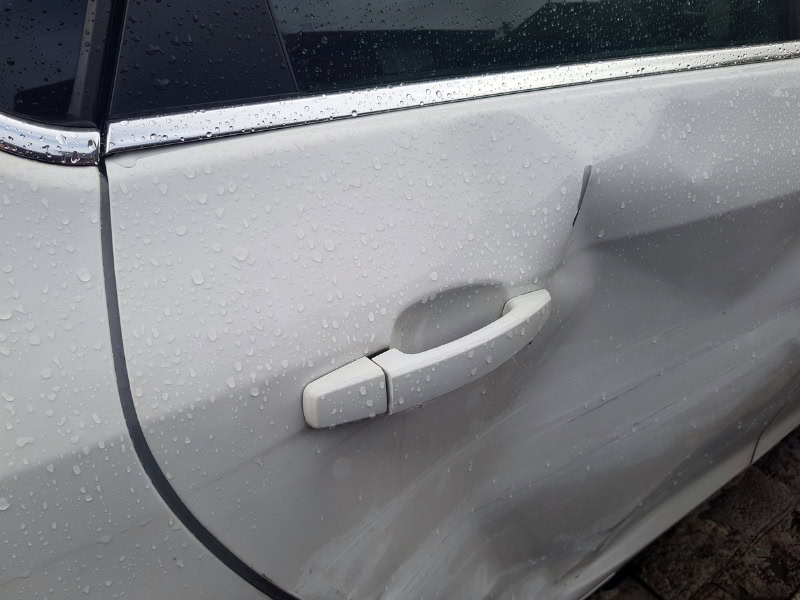
What role does location play in dent removal pricing?
Where you live — and where the damage is located on the car — can both affect how much you’ll pay. These two location types often get mixed up, but they make a big difference in pricing.
- State and city pricing vary – Urban areas usually have higher shop labour rates than rural towns.
- Panel location complexity – Dents on door edges or roof rails are harder to reach than flat door panels.
- Heat and humidity impact techniques – Paintless dent removal (PDR) may work better in warmer climates due to panel flexibility.
- Availability of qualified technicians – Regional shortages of skilled repairers can drive up prices.
Even within the same postcode, some shops might charge more due to demand or specialised services. Understanding how both types of location play a role can help you make better decisions when comparing quotes.
How does dent size affect the cost to remove car dents?
Size matters — and so does depth. The bigger and deeper the dent, the more involved the repair. But it’s not always as evident as it seems.
- Shallow dents often need less reshaping, but if they’re wide, paintwork may still require correction.
- Deep dents stretch the metal – These are harder to smooth out completely and usually cost more.
- Sharp creases increase labour time – These are trickier to undo without cracking paint.
- Large surface dents may need replacement. Sometimes it’s cheaper to replace a panel than fix extensive damage.
Technicians use dent gauges and lighting to measure depth and surface impact, and these fine details often determine how to explore effective methods to remove car dents efficiently for each unique case.

Can DIY dent fixes make the damage worse?
Short answer: yes. DIY repairs seem easy in videos, but in real-world conditions, they often leave lasting damage. What starts as a money-saving move can result in double the cost.
- Pushing metal from behind may overstretch panels – This can lead to visible warping.
- Vacuum pullers can crack paint, especially if the paint is already compromised.
- Hair dryers and dry ice methods can worsen damage. These rely heavily on perfect conditions.
- Untrained hands usually miss hidden issues, like internal panel bracing or paint stress fractures.
Tempting as it may be, DIY often results in more harm than good. Before experimenting, it’s worth thinking about the impact of minor dents and scratches on paint longevity, particularly in climates where UV damage accelerates fading and cracking.
What should you consider before choosing a dent repair method?
Not all dents need the same approach. Depending on your goals, timeframe, and budget, the proper method will vary, and getting it wrong can waste both time and money.
- Paintless dent removal (PDR) is ideal for minor, clean dents. If the paint is intact, this method preserves the original finish.
- Traditional panel beating suits deep or stretched dents – These require more intense reshaping and repainting.
- Blending is key for visible panels – Especially when colour-matching doors, bonnets, or guards.
- Cost vs convenience must be weighed – Faster repairs may cost more, but reduce car downtime.
Here’s a quick breakdown of method suitability by dent type:
Dent Type | Recommended Method | Paint Needed? |
Small shallow dent | Paintless Dent Removal | No |
Deep dent with paint | Traditional Panel Beating | Yes |
Creased or sharp dent | Panel Replacement | Yes |
Multiple small dents | Blending + PDR | Maybe |
Selecting the right technique also depends on your long-term plans for the car. For leased vehicles or trade-ins, a perfect finish may be worth the added investment.
Final thoughts
Understanding the cost to remove car dents means looking beyond just what’s visible. Factors like dent depth, access, finish, and even local labour rates all influence pricing. Acting early and choosing the proper method for your situation can save both time and money.
If you’re weighing your options, you can discover how Mr Dent Adelaide can support your dent repair needs with clear advice based on your car’s condition and the type of damage involved.


