

Have you ever noticed how even a small dent can start to look worse each week? A minor knock in a car park or a tap from a rogue trolley might seem harmless, but it can often lead to hidden damage. Local car dent repair not only restores your vehicle’s appearance, but it also helps maintain structural integrity and resale value. Ignoring dents can allow moisture to seep under the paint, sparking corrosion and weakening the panels. This article unpacks who gains the most from skilled repairs, how the process works, and why fast action can save you headaches later on.
How do local experts assess car dent damage in Adelaide?
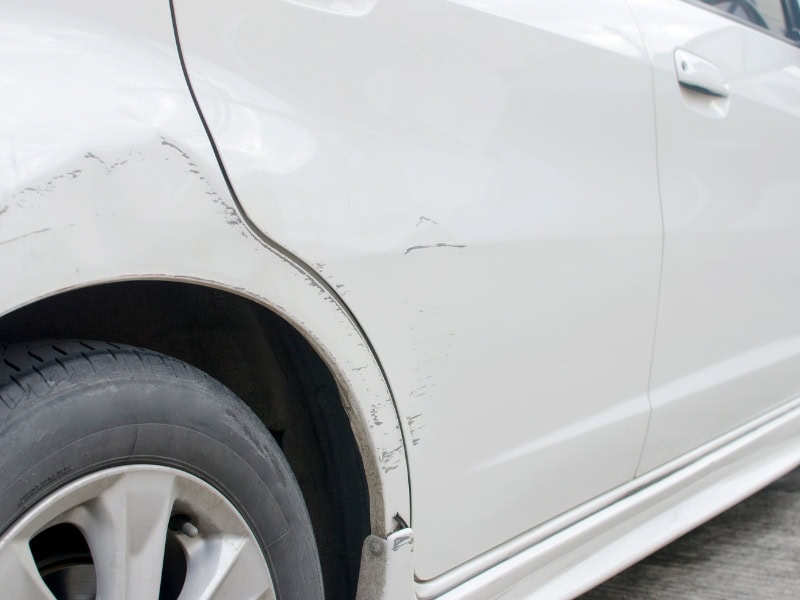
Minor impacts can quietly compromise your vehicle’s panels and finish. Quick repairs protect more than just looks.
- Hidden structural issues: Minor dents can disturb panel alignment and weaken spot welds beneath the surface, making doors harder to close and creating vibration while driving, especially over rough roads.
- Paint layer breaches: Chipped or cracked paint allows water to reach bare metal, leading to early rust that can spread under adjacent panels over time if left untreated.
- Insurance compliance: Insurers often require prompt attention to damage for ongoing coverage, primarily if the dent affects safety, lighting alignment, or visibility.
- Long-term costs: Delaying repairs can transform a small dent into a much larger, costlier fix that may require complete panel replacement, colour blending, and repainting across multiple panels.
Many drivers rely on reliable methods to quickly and effectively repair car dents, avoiding long waits and extensive panel replacements.
How does local car dent repair compare with mobile dent removal services?
Mobile and workshop repairs both have merits, but local specialists provide consistency and access to advanced tools.
- Equipment access: Workshops utilise high-output lighting, heat induction tools, and specialised dent-pulling equipment that mobile vans often can’t carry or set up effectively on the roadside.
- Controlled conditions: Indoor bays protect repairs from dust, wind, and cold, damp air, which can affect paint adhesion and curing quality, especially during South Australia’s winter months.
- Comprehensive checks: Fixed locations can identify subtle stretching or cracking that mobile setups may overlook, helping avoid repeat visits or incomplete repairs that never look right.
- Repair consistency: Dedicated spaces often deliver more precise results, especially when working on complex dents along body lines, door edges, or near welded seams.
For deeper dents or paint damage, it’s often best to explore effective techniques for removing dents from your vehicle in a fully equipped environment.
What types of damage can local car dent repair services effectively handle?
Skilled technicians can restore a wide range of damage, from hail strikes to sharp creases along body lines.
- Hail impact dents: Small impressions across bonnets and roofs are often repaired without repainting, preserving the original factory finish and avoiding colour mismatch across panels.
- Panel creases: Deeper folds need gradual reshaping to maintain strength and contour, especially if they run across weld points, door pillars, or edges that support structural rigidity.
- Body line deformation: Damage to structured lines requires specialist tools for correct alignment, preventing rippling, tension marks, or warping once the panel is restored.
- Paint fracturing: Areas with cracked paint are carefully blended to prevent rust and maintain the appearance, often using colour-matched refinishing techniques that keep the repair nearly invisible.
Overlooking even small dents can trigger ongoing corrosion. Acting promptly reinforces the importance of scheduling hail damage repairs as soon as possible.
Common Damage Types | Preferred Repair Method |
Hail dents | Paintless dent removal |
Large creases | Controlled panel reshaping and refinishing |
Edge dents | Specialised body line repair |
Paint-split dents | Filler, sanding, colour-matching paintwork |
How do experts assess if your dent requires professional repair?
Proper assessment ensures repairs meet safety and quality standards. It’s never guesswork.
- Lighting and reflection: Bright lighting reveals subtle warping that is invisible in natural light, allowing technicians to see tiny undulations and tension points that impact the quality of the repair.
- Depth measuring tools: Specialist gauges help identify areas of stretched metal that may not spring back fully with basic suction tools, preventing further cracking.
- Paint condition review: Technicians assess whether paint integrity can be preserved or if it must be refinished, balancing the cost and time required for each option to ensure a smooth finish.
- Flex and alignment testing: Careful pressing reveals hidden creases and weakened spots, ensuring no structural issues are left unaddressed before reassembly and final inspection.
Understanding the process gives you confidence. Many drivers are unaware of the guidelines for fair practices in vehicle repairs, which highlights the importance of thorough assessments.
Can timely repairs help prevent long-term rust problems?
Moisture can be your car’s worst enemy, especially if dents are left exposed.
- Sealing vulnerable areas: Prompt repairs close gaps before rust can start, locking out moisture and contaminants that accelerate decay and structural damage.
- Protecting underlayers: Proper dent removal prevents corrosion in deeper panel sections, which are often the most expensive to repair or replace if left untreated for an extended period.
- Preserving structural strength: Early fixes prevent decay that weakens critical joints and welds, keeping the car safe during impacts or heavy use on rough country roads.
- Maintaining resale value: A rust-free car commands a higher price and less hassle to sell, especially if you plan to trade it in, lease, or upgrade to a new vehicle later on.
Acting early on dents protects your car’s finish and avoids expensive rust treatments in the future.
How long does it usually take to complete a dent repair?
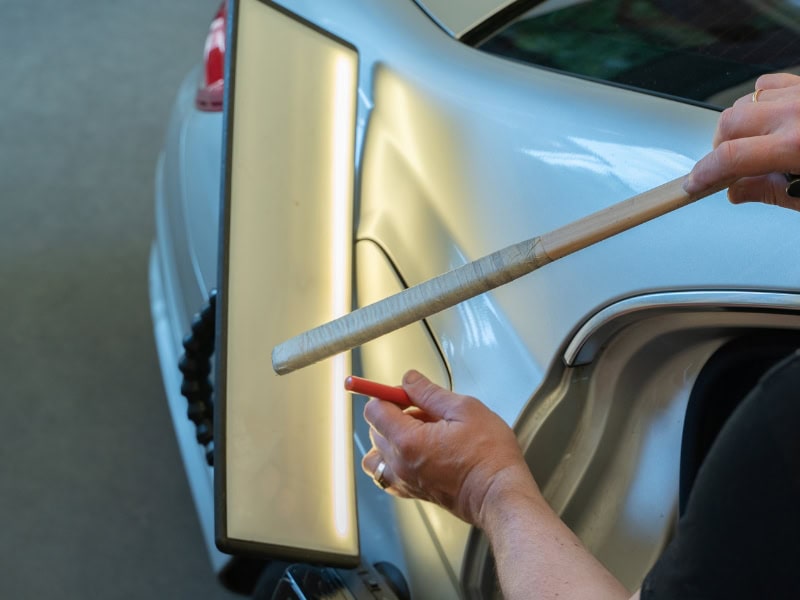
Timeframes depend on the type of damage and the repair method.
- Paintless repairs: Small dents without paint damage can often be repaired in under a day, making this method ideal for busy drivers who need a quick turnaround.
- Paint repairs: Cracks and chips require refinishing, adding two to three days for drying, curing, and ensuring a smooth finish in a controlled environment.
- Complex damage: Large dents or multiple panels may need up to a week to ensure all structural and cosmetic elements are correctly restored and inspected.
- Insurance clearance: Claims can extend repair times if approvals are delayed, so it’s wise to confirm requirements and submit paperwork early before booking.
Planning helps avoid disruption. Discuss time estimates before you commit so you don’t face unexpected delays and costs.
Final thoughts
Local dent repair doesn’t just improve the appearance of your vehicle—it also supports its long-term performance and safety. Whether your car has a fresh parking lot ding or a series of hail marks, prompt attention prevents larger problems. If you’d like to learn how Mr Dent Adelaide can help you save time and stress, consider arranging a conversation for clear guidance on your next steps.


